Fulham Broadway rubbish removal services for fast clearouts
Posted on 08/06/2026
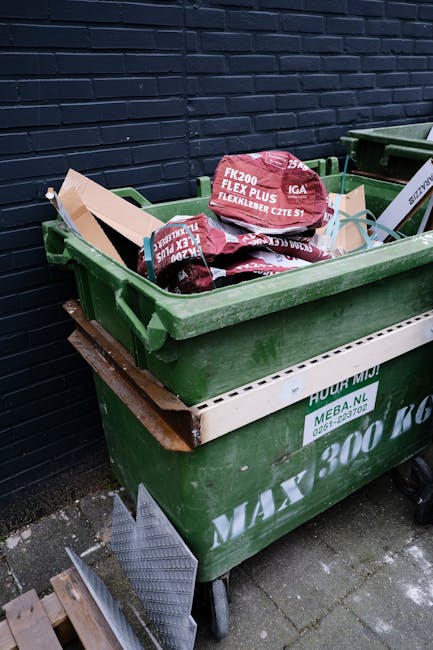
If you need space back quickly, Fulham Broadway rubbish removal services for fast clearouts can be the simplest way to deal with a room, flat, shop unit, office, or post-renovation mess without turning your day upside down. In a place like Fulham Broadway, where access can be tight, schedules are full, and people often need things done before the next viewing, delivery, or tenancy change, speed matters. But speed alone is not the whole story. You still want careful handling, proper disposal, and a team that knows how to work neatly in a busy London neighbourhood. This guide walks through how fast clearouts work, what to expect, how to choose the right approach, and the little details that make a big difference.
Whether you are clearing a single bulky item or a full property, the best result is usually the one that feels calm, efficient, and strangely uneventful. That is the dream, really.
Why Fulham Broadway rubbish removal services for fast clearouts Matters
Fast clearouts are not just about convenience. Around Fulham Broadway, they often solve a timing problem. A landlord may need a flat emptied before cleaners arrive. A shop might have to clear packaging and obsolete stock before opening day. A family could be working around a narrow moving window, with furniture stacked in the hallway and no room to breathe. In those moments, rubbish removal is less of a chore and more of a reset button.
There is also the local reality to consider. Streets around Fulham Broadway can be busier than people expect, parking can be awkward, and heavy items are not much fun to drag down stairs at the end of a long day. A well-planned clearance avoids all that strain. It keeps the pace up without turning the property into a building site. And if you are trying to sell, rent, or hand back keys, a clear space usually makes everything else easier.
Truth be told, clutter has a way of making tasks feel bigger than they are. One pile becomes three. One old sofa becomes a full-room problem. That is exactly why a fast, organised removal service is useful: it turns a vague headache into a completed job.
How Fulham Broadway rubbish removal services for fast clearouts Works
Most rubbish removal jobs follow a fairly straightforward process, even if the property itself is messy or awkward. The goal is to make decisions quickly, load efficiently, and leave the space swept and usable. A good provider will usually start by asking what needs removing, how much there is, whether access is tricky, and whether any items need special handling.
In practice, that means you might send photos, describe the items, or arrange a short visit. From there, a clear quote is usually based on volume, weight, labour, disposal requirements, and the time needed on site. The clearer you are upfront, the smoother it tends to go. Not glamorous, but very effective.
On the day, the team typically arrives with the right vehicle, lifting gear, and protective equipment. They remove items carefully, separate reusable or recyclable materials where possible, and clear away the load. For many clients, the best part is seeing the space open up in real time. You hear the scrape of old furniture, the clatter of boxes, then suddenly the room feels bigger. It really does.
If your job is part of a larger project, you may also find it helpful to look at related options such as house clearance in Fulham, office clearance for busy workspaces, or general rubbish clearance depending on what exactly needs shifting.
Key Benefits and Practical Advantages
The biggest benefit is obvious: speed. But fast clearouts are valuable for several more reasons, and those details matter when you are comparing providers or deciding whether to handle it yourself.
- Less disruption: a quick removal keeps the property usable sooner, which is especially helpful for lettings, sales, or trades coming in next.
- Reduced physical effort: no lifting wardrobes down stairs, no awkward trips to a skip, and no "who is going to take this?" debate that lasts all weekend.
- Better presentation: a cleared room photographs better, feels brighter, and is easier to clean.
- Safer handling: bulky or broken items, loose glass, and mixed waste are easier to manage when handled by people used to the job.
- More efficient disposal: mixed loads can often be sorted and routed appropriately rather than dumped into one catch-all pile.
There is also a small but important mental benefit. Once the rubbish is gone, you can think properly again. That sounds a bit dramatic, maybe, but if you have ever lived with a half-cleared room for days, you will know exactly what I mean.
Who This Is For and When It Makes Sense
Fast clearout services are useful for more people than you might think. They are not only for major house moves or big refurbishments. In fact, a lot of the most common jobs are fairly ordinary, just time-sensitive.
- Tenants moving out: when you need to leave a property tidy and free of unwanted items.
- Landlords and letting agents: for quick turnaround between occupancies.
- Homeowners doing a reset: after years of accumulation, or before redecorating.
- Businesses near Fulham Broadway: if stock, packaging, furniture, or old fixtures have built up.
- Families handling a life event: moving, downsizing, bereavement, or helping a relative clear a home.
- Builders and trades: when you need waste off-site so the job can move on.
It makes sense when time is limited, access is awkward, or you simply do not want the job hanging over you. To be fair, that is most of us at some point. If the task involves multiple item types or a lot of lifting, professional help usually becomes the practical option rather than the luxury option.
For some situations, a specialist route is even better. For example, old wardrobes, sofas, and office desks may be best handled through furniture disposal services, while lofts, garages, and storage spaces often benefit from targeted help such as loft clearance or garage clearance.
Step-by-Step Guidance
If you want a smoother clearance, the best approach is to think in stages. The service itself may be quick, but a little preparation makes it quicker still.
- Identify the load: make a simple list of items, rooms, or zones that need clearing.
- Separate what stays: move aside documents, valuables, chargers, keys, and anything you might need later. It sounds obvious, but people miss this more than you'd expect.
- Take clear photos: if you are requesting a quote, photos help assess volume and access.
- Check access: note stairs, basements, narrow hallways, parking limitations, and lift availability.
- Ask about item types: mention anything unusually heavy, fragile, dirty, or potentially restricted.
- Confirm timing: decide whether you need same-day, next-day, or a planned slot that fits around trades or moving day.
- Prepare the space: clear a walkway if you can, and let the team work room by room if that is faster.
- Review the finish: before the team leaves, check that agreed items are gone and the area is left tidy.
A small practical tip: if you are clearing a flat near Fulham Broadway before a viewing or handover, do the paperwork and the clearance in the same week if possible. Otherwise the timeline can drift, and there goes your neat little plan.
Expert Tips for Better Results
After enough clearouts, the pattern becomes clear. The best jobs are rarely the ones with the most drama; they are the ones with the least uncertainty.
- Be specific about what is being removed. "A few bits of junk" is not as helpful as "two sofas, a wardrobe, six black bags, and three broken shelves."
- Send photos in daylight. Shadows make spaces look smaller or messier than they are, and that can distort the quote.
- Ask how access affects timing. A second-floor flat with no lift is a different job from a ground-floor frontage, obviously.
- Group items by room. It saves time and helps the crew work in a clean sequence.
- Keep hazardous or sensitive items separate. Batteries, chemicals, sharp objects, confidential papers, and broken glass should not be mixed casually with general waste.
Expert takeaway: the fastest clearouts are usually the ones where the customer has sorted the keepers, flagged the awkward items, and been honest about volume. The rest tends to follow smoothly.
If you are dealing with trade waste or post-project debris, look into builders waste clearance rather than treating everything as ordinary rubbish. Different loads need different handling, and this is where people sometimes save time by choosing the right category first.

Common Mistakes to Avoid
The number one mistake is underestimating how much there actually is. A storage cupboard can look manageable until you start pulling things out. Then, suddenly, there's a lamp, old paint pots, a torn rug, and half a dozen boxes nobody claimed. Classic.
Other mistakes crop up just as often:
- Not checking access routes: if a van cannot park nearby, the job can take longer than expected.
- Leaving valuables mixed in with waste: always double-check pockets, drawers, and the backs of cupboards.
- Choosing purely on price: the cheapest option may not include the level of care, disposal handling, or insurance you actually need.
- Ignoring item restrictions: some materials need special treatment, and assuming otherwise can cause delays.
- Leaving the whole decision until the last minute: fast services are useful, but a rushed brief can still create avoidable friction.
One more thing. Do not assume every "clearout" is identical. A flat full of soft furnishings is not the same as a garage with mixed waste, and an office with confidential paperwork is a different challenge again. A good provider will ask the right questions. If they do not, that is a small warning light, not a full alarm, but still worth noticing.
Tools, Resources and Recommendations
You do not need specialist equipment to prepare for a clearance, but a few simple tools can make the process easier and safer.
- Bin bags or sacks: useful for loose lightweight waste, textiles, and smaller mixed items.
- Labels or tape: helpful when you are marking keep, donate, or remove piles.
- Gloves: sensible for dusty lofts, garages, or areas with broken edges.
- Strong boxes: good for paper, books, cables, and reusable household items.
- Phone photos: still the easiest way to share a clear overview of the job.
For planning, it helps to think in practical categories. If the job is mainly domestic clutter, a general junk removal approach may be enough. If you are dealing with a single collection of bulky items, a dedicated rubbish collection option can be more straightforward. And if your priority is broader disposal rather than one-off clearout work, waste removal services may fit the brief better.
For anyone who likes to think ahead, a little reading around local living and property timing can help too. Guides such as Fulham living local advice and this Fulham neighbourhood guide are useful if your clearance is tied to a move, renovation, or tenancy change.
Law, Compliance, Standards, and Best Practice
When rubbish removal involves transport, disposal, or business waste, compliance is part of the job. You do not need to become an expert in waste law just to book a clearance, but you should expect a provider to handle waste responsibly and to follow accepted UK practices.
That usually means using appropriate disposal routes, avoiding fly-tipping, and treating mixed materials carefully. For households, that might sound straightforward. For businesses, it gets a little more serious because paperwork, duty of care, and the handling of sensitive items can matter more than people realise.
Best practice also includes safety on site. Lifting heavy furniture, working in stairwells, and moving sharp or broken items all involve risk. A professional team should use sensible manual handling methods, wear suitable protective gear, and work in a way that reduces damage to walls, floors, and common areas. If you want more reassurance on that side of things, the site's insurance and safety information is worth a look.
In many situations, recycling and reuse are also part of the standard approach. Not everything should go straight to disposal if it can be separated, reused, or processed responsibly. The aim is efficient clearance, yes, but not careless clearance. There is a difference.
For general service details and policy information, it can also help to review the wider services overview, plus the pages covering recycling and sustainability, pricing and quotes, payment and security, and the published terms and conditions.
Options, Methods, or Comparison Table
There are a few common ways to deal with clearout jobs around Fulham Broadway. The right choice depends on volume, urgency, access, and how much work you want to take on yourself.
| Option | Best for | Strengths | Trade-offs |
|---|---|---|---|
| Professional rubbish removal | Fast, mixed, or awkward clearouts | Quick, labour included, less hassle | Usually costlier than self-clearance |
| Skip hire | Projects with steady waste generation | Good for ongoing work, flexible loading | Needs space and can be less suited to tight access |
| Self-haul to disposal facilities | Small loads and flexible schedules | Can be budget-friendly if you already have transport | Time-consuming, physically demanding, multiple trips |
| Targeted item removal | Single bulky items like sofas or beds | Simple and focused | Not ideal for larger mixed clearouts |
If you are deciding between methods, ask yourself one honest question: do you want the waste gone, or do you want the whole task over with? Those are not quite the same thing. For many people, that answer points toward professional clearance.
In some jobs, skip hire in Fulham is the better fit. In others, especially where speed and labour are the priority, a direct removal team wins hands down. It depends on the space, not just the waste.
Case Study or Real-World Example
Here is a realistic example. A small flat near Fulham Broadway has just been vacated after a long tenancy. The living room contains a worn sofa, a coffee table, two broken chairs, several bags of general clutter, and a shelf unit that was never properly fixed to the wall. The kitchen has a stack of packaging, a few small appliances, and assorted boxes. Nothing extreme, but enough to stall cleaning and delay the next step.
The first thing the occupier does is take photos and group items by room. They separate a box of personal keepsakes, a bag of documents, and a few items they still want to keep. Then they book a clearance slot for the following morning, which is easier than trying to squeeze the job in after work. The team arrives, checks access, removes the furniture carefully, and clears the remaining mixed waste. The whole place is left ready for cleaning the same day.
What made this job work smoothly? Not luck. Clear decisions. No guesswork. No frantic sorting at the door. A bit of preparation, and the job stopped feeling like a mountain.
If the property had been larger or fuller, a more specialised route such as house clearance might have been the better choice. That is often the case with inherited homes, long-term rentals, or full downsizing projects.
Practical Checklist
Use this before booking or on the day of the clearance:
- List every item or room that needs clearing.
- Move valuables, documents, and sentimental items out of the way.
- Take clear photos in good light.
- Note stairs, narrow access, parking restrictions, or lift access.
- Say whether items include furniture, electronics, mixed waste, garden waste, or builders' debris.
- Ask how the team handles recycling, reuse, and disposal.
- Confirm the quote basis before booking.
- Check the time window and any arrival instructions.
- Keep pets, children, and walkways clear during loading.
- Do a final walk-through before the team leaves.
Practical summary: if you prepare the space well and give an accurate description of the load, a fast clearout usually stays fast. That is the whole trick, really. Simple, but not always easy when the room is full.
Get a free quote today and see how much you can save.
Conclusion
Fulham Broadway rubbish removal services for fast clearouts are at their best when they remove stress as well as waste. A good service should be quick, careful, and organised enough to make the property usable again without extra back-and-forth. Whether you are clearing a flat, office, garage, loft, or a collection of bulky household items, the most sensible approach is usually the one that saves time now and avoids problems later.
Take a moment to plan the load, choose the right type of removal, and make sure the provider understands access and item types. Those small steps make a surprisingly big difference. And once the space is clear, you feel it straight away. The room opens up. The pressure drops. You can move on.
If you are ready to take that next step, the easiest way forward is to review the available service details and reach out when it suits you. A tidy space has a way of making everything else feel more manageable. Funny how that works.


 Tipper Van - Rubbish Removal and Garden Waste Removal Prices in Fulham, SW6
 Luton Van - Rubbish Removal and Garden Waste Removal Prices in Fulham, SW6





