Fulham Palace event rubbish permits and local rules
Posted on 07/08/2026
Fulham Palace Event Rubbish Permits and Local Rules: A Practical Guide for Organisers
If you are planning an event near Fulham Palace, rubbish management can turn from a small detail into the thing that makes or breaks the day. The venue, the surrounding streets, the loading arrangements, the bins, the timing, the permissions - it all matters. And yes, the phrase Fulham Palace event rubbish permits and local rules sounds a bit bureaucratic at first, but in practice it is really about keeping your event tidy, compliant, and neighbour-friendly.
Whether you are organising a private celebration, a community gathering, or a larger public-facing event, you need a sensible plan for waste, recycling, and collection. This guide walks through what the local rules usually mean in real life, how to prepare, what mistakes people make, and how to keep everything moving without a last-minute scramble. Truth be told, the clean-up is often the part people remember most.
If you are also looking at broader event planning in the area, you may find useful context in our local guides on what makes Fulham such a distinctive neighbourhood and popular places for parties in Fulham.
Why Fulham Palace event rubbish permits and local rules Matters
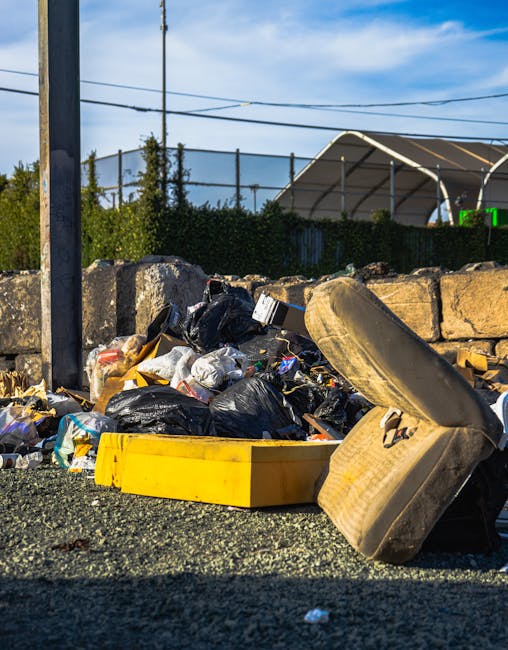
Event waste is rarely glamorous. Still, if you ignore it, it becomes the loudest thing in the room. Overflowing bags, loose cups, cardboard stacked by a gate, or food waste left too long in warm weather can create complaints, attract pests, and make access difficult for residents, staff, or suppliers.
At a site like Fulham Palace, the setting adds another layer. You are not just clearing waste from a room; you are managing rubbish in a sensitive local environment, often with limited access points, heritage surroundings, nearby homes, and a strong expectation that everything will be left as found. That is why rubbish permits and local rules matter so much. They protect the venue, the surrounding streets, and your event reputation all at once.
There is also a practical angle. If your waste plan is weak, you may end up paying more for emergency collections, extra labour, or rushed removals after everyone has gone home. That is the point where a small missed detail becomes an expensive headache. Let's face it, no organiser wants to be the one explaining why bags were left on the pavement at 11:30pm.
Expert summary: For events near Fulham Palace, the safest approach is to treat rubbish handling as part of the event design, not the clean-up. Build it into planning, permissions, staffing, and post-event collection from the start.
How Fulham Palace event rubbish permits and local rules Works
The exact permission route can vary depending on the event type, the waste generated, and where bins or collection vehicles will be placed. In general, there are three moving parts: the event organiser's responsibilities, the venue or landowner's rules, and any local authority requirements that affect collections, storage, or placement of waste.
For a small indoor event, you may simply need an agreed waste handling plan with no special access issues. For a larger outdoor or mixed-use event, you may need to think about temporary waste stations, segregation for recycling, access for removal vehicles, and whether any parking or loading arrangements need advance approval. If a skip, cage, or temporary storage container is involved, permissions become even more important.
The practical idea is simple: rubbish should not block footpaths, damage surfaces, or sit around longer than necessary. At a place like Fulham Palace, you are likely to need clear timings for drop-off and uplift, plus a tidy system for separating general waste from recycling. Some organisers also overlook the issue of event branding materials and cable ties, which can be surprisingly messy by the end of the day.
If your event includes food service, drinks, florals, or setup materials, the waste profile changes quickly. A few trays and napkins become crates, broken packaging, glass, food scraps, and heavy sacks. That is why a one-size-fits-all rubbish plan usually falls apart. Better to map the waste before the first guest arrives.
For organisers who need a broader waste solution, our overview of local waste and clearance services can help you understand the kinds of support available.
Key Benefits and Practical Advantages
Getting the rubbish side right has benefits that go well beyond looking neat. In many events, it affects safety, compliance, guest experience, and even the speed of breakdown at the end of the night.
- Cleaner exits and safer walkways: Fewer trip hazards and less risk of blocked access routes.
- Better neighbour relations: Less noise from hurried late-night clearing, fewer complaints, and less street clutter.
- Faster turnaround: A well-planned collection process lets your team finish sooner and more calmly.
- Improved recycling performance: Sorting waste properly from the start makes recycling more realistic, not just wishful thinking.
- Lower risk of penalties or disputes: Staying within local rules reduces the chance of avoidable problems with the venue or authorities.
- Better presentation: Guests, suppliers, and venue staff notice when a site feels controlled and professionally managed.
There is another quiet benefit too: peace of mind. When your bins, sacks, and uplift timings are all planned, you do not spend the event constantly worrying about the mess building up behind the scenes. That matters more than people admit.
Who This Is For and When It Makes Sense
This topic is relevant for more people than you might think. It is not only for large festival-style events. Smaller private functions can trigger the same issues if they produce more waste than expected or need special collection arrangements.
Typical organisers who should pay attention
- Private party hosts
- Wedding planners and caterers
- Community event organisers
- Corporate event teams
- Venue managers
- Production crews handling temporary setups
- Suppliers bringing packaging-heavy materials
It also makes sense if you are coordinating related tasks such as furniture moving, office-style setup and breakdown, or bulky item removal after the event. In those cases, planning ahead for furniture disposal in Fulham can save a surprising amount of time.
When does it become especially important? Usually when any of the following apply:
- you expect significant guest numbers
- food and drink will generate mixed waste
- collection needs to happen outside normal daytime hours
- access is tight or shared with the public
- you are using a temporary structure or heavy equipment
- the event site must be returned spotless the same day
If that sounds familiar, you are in the right place.
Step-by-Step Guidance
Here is the simplest way to approach the whole thing without overcomplicating it.
- Define the event footprint. Work out exactly where rubbish will be generated: bar areas, catering zones, guest seating, staging, loos, and back-of-house spaces.
- Estimate waste types and volume. Think in categories: general waste, cardboard, glass, food waste, green waste, and any bulky items.
- Check access and storage points. Identify where bags or bins can be placed without blocking movement or breaking site rules.
- Confirm permission needs early. If anything needs to sit outside a normal bin area, assume it may need approval. That includes skips, cages, or overnight storage.
- Plan segregation. If recycling is expected, label everything clearly and give staff simple instructions. Fancy posters are not enough on their own, to be fair.
- Schedule collection timing. Decide when waste is taken away during the event and when the final clear-out happens.
- Assign responsibility. Nominate one person to oversee waste throughout the day, not five people who all think someone else is doing it.
- Keep a clean-down kit ready. Have gloves, extra sacks, tape, and a basic sweep-up kit for spills or breakages.
- Do a final walk-through. Check corners, under tables, behind bars, and around loading points. The last 10% of waste is often the bit everyone forgets.
For events that involve heavier clear-out needs, our rubbish clearance services in Fulham are worth considering alongside your event plan.
Expert Tips for Better Results
Over the years, one thing becomes obvious: the best event waste plans are usually the boring ones. Not because they are dull, but because they are clear, simple, and repeated properly to the team.
- Place bins where people naturally stop. If a bin is hidden round a corner, guests will ignore it.
- Use short labels. "Cans", "Cardboard", and "General" work better than long recycling instructions.
- Separate food waste early. Once it spreads into mixed rubbish, it is harder to handle and smells faster.
- Build in one spare collection window. Events overrun. They just do.
- Protect floors and paths. Bags leak, boxes split, and drinks spill. A small amount of cover can prevent a lot of cleanup.
- Brief suppliers as well as staff. Caterers and decorators often create the most waste, so give them the rules upfront.
- Use a single waste lead. One person with authority keeps things moving much better than a committee of helpful opinions.
A small but useful habit is to photograph the setup before guests arrive and again after breakdown. It creates a quick record of what was in place and what was left behind. Not dramatic, just sensible.
If your event includes garden-style elements, floral installations, or outdoor displays, you may also want a plan for organic material and cuttings. Our garden waste removal in Fulham service can be relevant in that kind of setup.
Common Mistakes to Avoid
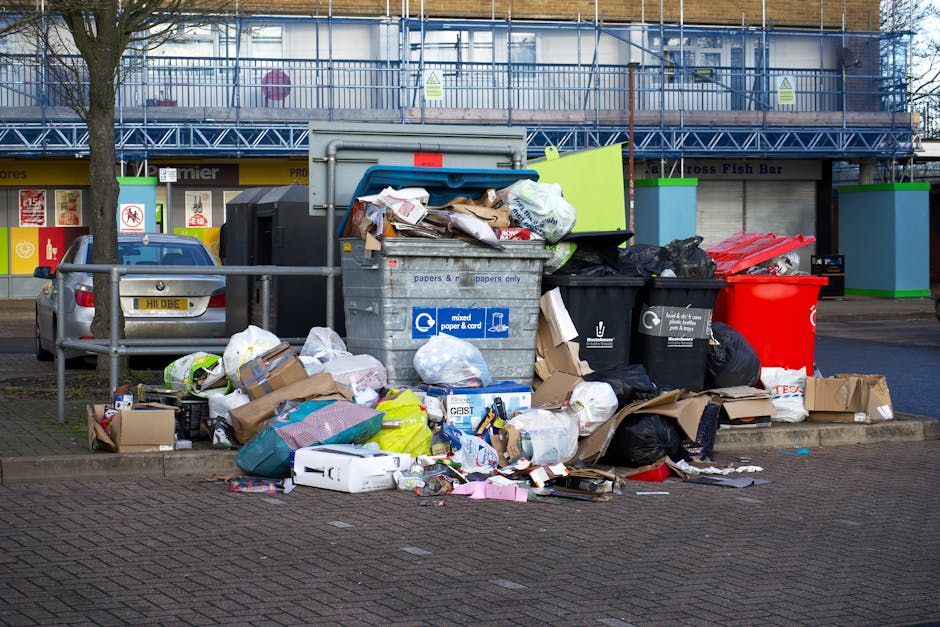
A lot of event waste problems are completely avoidable. That is the frustrating part. Most come from under-planning rather than bad luck.
- Assuming the venue will handle everything. Some do more than others, so clarify the split of responsibilities.
- Leaving permit checks until the last week. If approvals or access arrangements are needed, late requests can limit your options.
- Underestimating packaging waste. Deliveries for events often create more cardboard and wrap than the organisers expect.
- Forgetting about post-event peak waste. The biggest mess often appears during breakdown, not during the event itself.
- Mixing recycling with general waste. Once mixed, it is harder to separate and easier to lose value.
- Blocking shared access. Residents, staff, and emergency routes should remain clear at all times.
- Using bags that are too light. Overfilled bags split. Every organiser learns this one the hard way eventually.
Another common issue is simply not keeping a backup plan. If the first collection window slips, what happens next? If that answer is unclear, the plan is not finished yet.
Tools, Resources and Recommendations
You do not need a complicated toolkit, but you do need a practical one. For most events, these basics will cover a lot of ground:
- colour-coded bags or labels for waste streams
- heavy-duty sacks for mixed waste
- spill kit and paper towels
- gloves and tongs for safe handling
- sealed containers for food waste
- clear signage for guests and staff
- a simple waste log for collections and issues
From a service perspective, the most useful support often depends on your event shape. If you are dealing with a one-off cleanout after a function, junk removal in Fulham may be appropriate. If you are dealing with larger amounts of mixed debris and want a more scheduled approach, waste removal in Fulham may fit better. For heavier, bulkier loads, a skip hire option in Fulham can sometimes make sense, though not every event site is suitable for one.
Where guests, staff, and the public all move through the same area, collection frequency matters as much as capacity. A bin that is too small, or emptied too late, creates more problems than it solves.
Law, Compliance, Standards, or Best Practice
For this topic, compliance is mainly about being careful, organised, and respectful of the rules that apply to your event location and waste handling arrangements. Exact requirements can vary by site, event type, and local authority expectations, so it is wise to confirm the details early rather than relying on assumptions.
As a general UK best practice, event organisers should aim to:
- store waste safely and securely
- prevent litter from escaping into public spaces
- avoid blocking footpaths, entrances, or emergency access
- separate recyclable material where practical
- use a lawful, traceable waste collection route
- keep the site tidy during and after the event
If skips or temporary containers are involved, placement and access need extra care. Heritage or sensitive sites may also have stricter expectations about surface protection and time-limited use. The safest route is always to check before anything arrives. That might sound obvious, but obvious things are the ones people skip when the schedule gets tight.
Health and safety also matters. Sharp packaging edges, broken glass, loose cables, and heavy bags can all create injury risk. For a more detailed view of how waste operations can be managed safely, see our insurance and safety information and the wider recycling and sustainability approach we follow.
Options, Methods, or Comparison Table
Different events need different waste methods. Here is a straightforward comparison to help you decide.
| Method | Best for | Strengths | Limitations |
|---|---|---|---|
| Bagged collection with scheduled uplifts | Smaller indoor events, short functions | Flexible, tidy, low footprint | Needs discipline and regular monitoring |
| On-site segregation with multiple bins | Events with mixed waste and recycling targets | Supports recycling, easy for guests to use | Requires signage and active management |
| Skip or container-based handling | Large breakdowns, bulky or heavy waste | High capacity, useful for staged clear-outs | May need permission and suitable access |
| Direct same-day removal by a clearance team | Time-sensitive events with a strict handover | Fast, reduced on-site clutter | Requires good timing and accurate waste estimate |
There is no single right answer. The best method is the one that fits your access, timing, and waste volume without creating extra site issues.
Case Study or Real-World Example
Here is a realistic scenario. Imagine a private evening event with catering, a small bar, floristry, and a short live performance. At first glance, it looks manageable. But by the end of the night there are cardboard boxes from deliveries, broken packaging, bottles, used napkins, food scraps, floral offcuts, and a few awkward bulky items from the setup.
The organiser had initially planned for two bin bags and a next-day tidy. That sounded fine on paper. In reality, the bags filled before dessert, the back corridor started to clutter, and the final breakdown took much longer than expected. Nothing disastrous happened, but the stress level went up fast. People got tired, people got huffy. You know the scene.
When the same organiser tried again, they changed the approach: clearly labelled bins, a waste lead, a scheduled uplift after setup, and a final clear-out before staff left. The difference was night and day. The team finished earlier, the venue looked better, and the post-event handover was calmer. No drama. Just a better process.
That is the real lesson here. Good rubbish planning does not just reduce mess; it reduces friction.
Practical Checklist
Use this before the event starts.
- Confirm who is responsible for waste at each stage
- Check whether any permits or placement permissions are needed
- Estimate the types and volume of waste
- Choose the right collection method
- Set up bins or sacks in visible, sensible locations
- Label recycling and general waste clearly
- Protect floors, paths, and loading areas where needed
- Brief staff, suppliers, and contractors on the rules
- Schedule at least one final clear-up window
- Inspect the site before handover
And one more thing: have a contact person available on the day. If something changes, you want decisions quickly, not a chain of messages bouncing around like a lost tennis ball.
If you are planning a broader clean-up after an event or a property turnover, our house clearance service in Fulham and office clearance service in Fulham can also be useful depending on the scale of the job.
Get a free quote today and see how much you can save.
Conclusion
Fulham Palace event rubbish permits and local rules are not just a formality. They are part of making an event run smoothly, keeping neighbours happy, and leaving a respected venue in good order. When waste planning is done properly, everything feels calmer: setup is tidier, breakdown is quicker, and the final handover is less stressful for everyone involved.
The best events rarely happen by accident. They happen because someone thought through the small things early - the bins, the access, the timing, the clean-up, the awkward bits no one loves to talk about. If you take that approach, you are already ahead of the game.
And honestly, that is a good feeling. Clean site, clear plan, no drama. Not bad at all.