Parsons Green garden rubbish removal and composting pickup
Posted on 18/06/2026
Parsons Green Garden Rubbish Removal and Composting Pickup: A Practical Local Guide
If your garden is looking more like a holding pen for cuttings, branches, old plant pots, and the odd broken bit of timber, you are not alone. Garden jobs have a habit of snowballing. One weekend you trim back a hedge, the next you are staring at bags of green waste, thinking: where does all this go?
Parsons Green garden rubbish removal and composting pickup is the neat, sensible answer for anyone who wants outdoor waste cleared without turning their week into a mini landfill project. It is especially useful in a place like Parsons Green, where space is at a premium, access can be awkward, and nobody wants bags of damp soil lingering outside for days. This guide walks through how the service works, what to expect, what to avoid, and how to make greener choices without making life harder.
In our experience, the best outcomes come from a simple mix: sort the waste properly, understand what can be composted, and choose a collection method that fits the size of the job. Sounds obvious. It often isn't.
Why Parsons Green garden rubbish removal and composting pickup Matters
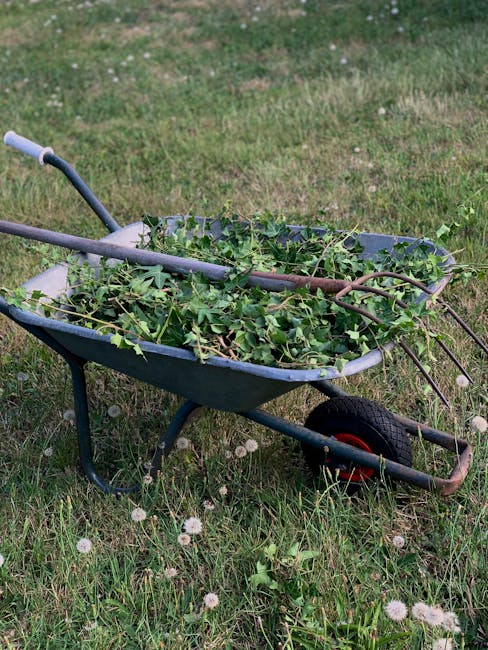
Garden waste is not just "stuff from outside." It can become slippery, heavy, and mildly chaotic very quickly. Grass cuttings compact down into wet clumps. Twigs catch in corners. Soil sacks split. Leaves blow around. Before long, your tidy garden maintenance has become a storage problem.
That is why a proper garden rubbish removal and composting pickup service matters. It helps keep outdoor spaces usable, reduces mess near the home, and supports better waste handling overall. For many households, it is not only about convenience. It is about avoiding the common trap of leaving green waste piled up until it attracts pests, starts to smell, or simply gets in the way of the next job.
There is also a sustainability angle worth caring about. Not every bit of garden waste should go to the same place. Some material is suitable for composting, some is better recycled through a green waste stream, and some items need separate disposal altogether. That distinction matters because good sorting usually means better recovery of organic material and less unnecessary landfill use.
If you are already thinking more broadly about responsible waste handling, it can be helpful to look at recycling and sustainability practices alongside your garden clearance plans. The two go hand in hand, really.
Expert summary: The smartest garden clearance jobs are not always the fastest-looking ones. They are the ones where waste is separated early, compostable material is identified properly, and the collection method suits the actual volume on the ground.
How Parsons Green garden rubbish removal and composting pickup Works
At a practical level, the process is straightforward. You gather the garden waste, identify what is compostable or green, and arrange pickup in a way that suits the amount and type of material. The details matter, though, because not all garden waste is handled the same way.
Typical garden rubbish includes hedge trimmings, grass cuttings, weeds, leaves, small branches, dead plants, old compost, potting soil, broken plant supports, cracked pots, and the occasional bag of random outdoor clutter. Composting pickup usually focuses on the organic part of that mix. Garden rubbish removal, by contrast, may also include non-organic items such as damaged planters, broken furniture, or old tools that need separate disposal.
A sensible workflow looks like this:
- Sort compostable green waste from non-organic rubbish.
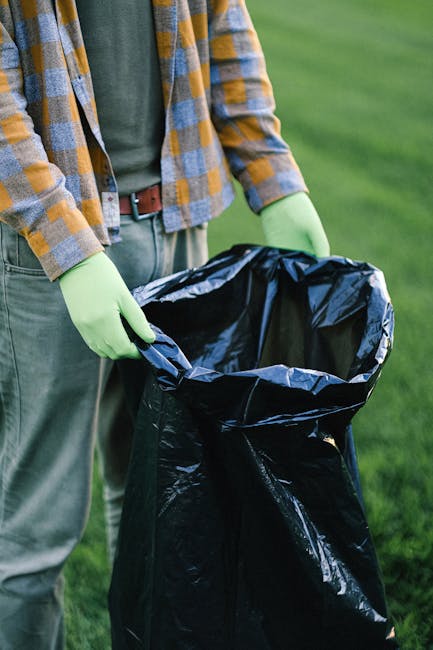
- Bundle or bag material so it can be handled safely.
- Keep heavy materials like soil or wet turf apart where possible.
- Check access points, especially if waste needs carrying through narrow paths or communal areas.
- Arrange pickup at a time that avoids bags being left out overnight.
For many residents, this kind of service sits neatly alongside broader garden waste removal in Fulham, especially if you have mixed waste after a big tidy-up. It can also be paired with general rubbish collection when the job spills beyond the garden gate.
One thing people sometimes miss: composting pickup is not a magic bin for everything organic. Diseased plants, invasive weeds, and contaminated materials may need separate handling. If you are unsure, sort cautiously. Better to keep uncertain items apart than mix them into the wrong pile and create a problem later. To be fair, that little bit of caution saves hassle nine times out of ten.
Key Benefits and Practical Advantages
The obvious benefit is a clearer garden. But there is more to it than that.
- Less clutter, faster use of the space: You can get back to planting, entertaining, or just sitting outside with a cup of tea.
- Better hygiene: Green waste left too long can become damp, messy, and unpleasant.
- More responsible disposal: Compostable garden material can be diverted from general rubbish where suitable.
- Less strain on you: Heavy bags, awkward branches, and muddy loads are easier to deal with when someone else handles the lifting.
- Safer pathways and entrances: Useful in Parsons Green, where front access and shared walkways can be tight.
- More predictable outcomes: With a planned pickup, you know the waste will not sit around for a week while you wait for a free moment.
There is also a quieter benefit: less mental noise. A messy garden has a way of nagging at you every time you look out the window. Get rid of the pile, and the whole place feels lighter. It sounds dramatic, maybe, but anyone who has spent a Sunday afternoon wrestling a hedge-cutting aftermath will know exactly what I mean.
If the project includes broader clear-out work beyond the garden, you may also find useful context in waste removal and junk removal options, especially where outdoor clutter mixes with household odds and ends.
Who This Is For and When It Makes Sense
This kind of service is a strong fit for quite a few situations, not just big landscaping projects.
- Homeowners doing seasonal garden maintenance: Spring and autumn both produce more waste than people expect.
- Renters with private outdoor space: If the garden has been neglected, a quick reset can make a huge difference.
- Landlords and property managers: Useful between tenancies or before photos, inspections, or viewings.
- People preparing to sell: A clean, well-kept garden can quietly improve first impressions. For related local property context, see purchasing and listing properties in Fulham.
- Anyone with limited time or limited storage: If you cannot leave bags out and wait for council rounds, pickup is often the easier route.
- Garden enthusiasts after a bigger project: Pruning, replanting, or clearing an overgrown corner can create a surprising volume of waste.
It also makes sense after storms, strong winds, or a period of heavy growth. One windy week in London and suddenly the garden looks as if it had an argument with a hedge trimmer. Not ideal.
If you live locally and want a broader sense of the neighbourhood and how people tend to manage local home upkeep, Fulham living and local advice can be a helpful read too.
Step-by-Step Guidance
If you want the process to run smoothly, keep it simple and methodical. No need to overcomplicate it.
1. Walk the garden first
Look at everything that needs to go. Separate green waste from non-green waste. Identify anything bulky, sharp, heavy, or awkward.
2. Decide what can be composted
Grass, leaves, weeds, plant cuttings, and many soft organic materials are typically the first candidates for composting pickup. Keep diseased material or treated timber out until you know how it should be handled.
3. Bag or bundle sensibly
Use sturdy bags for smaller material and tie branches securely. A bag that tears on the stairs is a small disaster. It happens. Usually when you are already late.
4. Keep access clear
In Parsons Green, access can matter almost as much as volume. Make sure gates, side passages, and front steps are clear so the collection is quicker and safer.
5. Confirm timing and collection expectations
Agree on a window that suits the waste condition. Wet green waste is best removed promptly, especially in warmer weather.
6. Final sweep-up
Once the pickup is done, do a quick rake, sweep, or hose-down. The garden always looks better after the obvious waste is gone, but the little crumbs and clippings matter too.
If the job is more than a garden tidy and includes mixed household debris, you might also look at rubbish clearance in Fulham for a broader clearance approach.
Expert Tips for Better Results
These are the small things that make a visible difference. They are not flashy, but they save time and reduce headaches.
- Dry the waste where you can: Wet grass and leaves are heavier, messier, and more awkward to lift.
- Cut branches down to manageable lengths: Even a few minutes with secateurs or a saw can make loading much easier.
- Keep soil separate: Soil is dense and can change the handling requirements of the job.
- Use proper bags: Thin sacks split easily, especially with thorny trimmings.
- Do not mix hidden rubbish into green waste: Old wire, plant labels, plastic mesh, and broken clay pots need different treatment.
- Book sooner after major cutting: Fresh garden waste is usually easier to manage than material left to rot and compact.
One local tip that often gets overlooked: check whether your garden path or rear access has enough room for carrying bags without scraping walls, railings, or potted plants. Sounds minor. It is not. A two-minute check can save a lot of awkward shuffling.
If you need a wider picture of the company's approach to safety and handling, the insurance and safety information is worth reviewing before any larger clearance.
Common Mistakes to Avoid
Most garden clearance problems are preventable. The mistakes are usually simple ones.
- Leaving waste out too long: This invites mess, smells, and sometimes pests.
- Overfilling bags: Heavy bags are more likely to split and are unpleasant to move.
- Mixing compostable and non-compostable material: Plastic ties, broken pots, treated wood, and metal fixings all complicate processing.
- Assuming everything green can be composted: Not always true, especially with contaminated or diseased material.
- Forgetting about access: Narrow passage, locked gate, or parked car in the wrong place can slow everything down.
- Waiting until the pile becomes unmanageable: The longer you leave it, the harder the job feels.
Truth be told, most "big" garden rubbish jobs start as three or four small jobs that were allowed to sit for too long. That is the pattern. People do a bit, then life gets in the way, then suddenly the compost heap looks like a collapsed expedition.
Tools, Resources and Recommendations
You do not need a shed full of equipment, but a few basics make the whole process cleaner and safer.
- Heavy-duty garden waste bags: Better than thin sacks for leaves, clippings, and light debris.
- Gloves: Useful for thorny cuttings, splinters, and hidden grit.
- Secateurs or loppers: Helpful for reducing bulky trimmings.
- A rake and stiff broom: Ideal for the final sweep.
- Wheelbarrow or tub trug: Handy if the waste needs moving from the rear garden to the front.
- Tarpaulin: Good for collecting a pile before bagging, especially in dry weather.
For bigger jobs, it can be useful to compare how garden waste pickup sits alongside other disposal choices. Some people prefer a one-off pickup, while others want a more regular arrangement through garden waste removal. If you are unsure which route fits best, the services overview can help you understand the broader options without jumping straight to a booking decision.
If you are dealing with something beyond typical garden waste - say, a garage corner full of old pots, tools, and broken furniture - then garage clearance or furniture disposal may be more appropriate. Little distinctions like that matter more than people think.
Law, Compliance, Standards, or Best Practice
Without getting overly legalistic, there are a few sensible UK best practices to keep in mind. Garden waste should be handled responsibly, and waste carriers should only deal with material they are equipped and authorised to take. Residents should also be careful not to hand waste to anyone who seems vague about where it goes. If something feels off, it probably is.
For householders, a good rule is simple: separate waste properly, do not dump it, and make sure any collection arrangement is clear about what is included. Compostable organic waste is one thing; mixed rubbish is another. Treated wood, rubble, batteries, chemicals, gas canisters, and electrical items should never be assumed to belong in a garden waste pile. Obvious enough, but people do try it. More often than you'd think.
Best practice also means protecting neighbours and shared spaces. Keep pathways clear, avoid blocking entrances, and do not leave loose debris where wind can blow it into the street or another property. In places like Parsons Green, where homes can sit close together, that basic courtesy goes a long way.
If you want a little more background on the company's standards and working approach, about us and terms and conditions are relevant pages to review before arranging a collection.
Options, Methods, or Comparison Table
Choosing the right method depends on waste type, urgency, access, and how much sorting you want to do yourself. Here is a straightforward comparison.
| Option | Best for | Pros | Watch-outs |
|---|---|---|---|
| Composting pickup | Clean organic garden waste | Good for leaves, grass, and cuttings; supports greener disposal | Not suitable for mixed rubbish or contaminated material |
| General garden rubbish removal | Mixed outdoor waste | Handles bags, branches, pots, and small non-organic items | May require sorting before collection |
| Full rubbish collection | Garden waste plus household clutter | Convenient when the job has spread beyond the garden | Less specialised than a dedicated green waste pickup |
| Skip hire | Bigger renovation or landscaping jobs | Useful if waste will build up over several days | Needs space, loading effort, and a bit more planning |
If your project is small and mostly organic, composting pickup is often the neatest option. If your garden tidy-up has turned into a mini clearance, a broader collection may make more sense. Sometimes the answer is simple. Sometimes not. That is just the reality of outdoor jobs.
For readers weighing up skip-based disposal, skip hire in Fulham is worth considering when the volume is high and the work is spread over time.
Case Study or Real-World Example
Picture a typical Parsons Green Saturday. A homeowner decides to sort the back garden after a long stretch of neglect. There are hedge trimmings from the side boundary, a mound of leaves behind the shed, several bags of old compost, two cracked planters, and a broken trellis that has seen better days. Nothing dramatic. Just a lot of small things.
At first glance, it looks like a quick tidy. By the time the waste is piled up, though, it has become a proper collection job. The green material is separated from the plastic and broken items. The branch cuttings are tied into manageable bundles. Soil is bagged carefully rather than stuffed into flimsy sacks. Access through the side path is checked so nothing gets snagged on the old brick edging.
The result is not just less waste. The whole garden feels usable again. The path opens up. The fence line looks cleaner. The seating area is back in play. And because the compostable material was kept separate, it can be handled in a way that makes more sense than dumping everything together.
That is the real value here. Not perfection. Just a garden that starts working for you again.
Practical Checklist
Use this checklist before your collection day. It keeps things calm.
- Walk the garden and identify all waste piles.
- Separate compostable green waste from mixed rubbish.
- Remove plastic ties, metal pieces, and hidden debris.
- Cut large branches down to manageable sizes.
- Use strong bags or secure bundles.
- Keep soil and heavy material apart if possible.
- Check gates, side access, and steps.
- Make sure the pickup area is easy to reach.
- Do a final sweep for loose clippings.
- Confirm the collection time and what is included.
Quick tip: If the garden looks tidy in the evening and chaotic by morning because of wind, do not wait another day. Book the pickup while the waste is still contained. It really does make life easier.
If you are ready to plan the next step, you can start with pricing and quotes or move straight to contact if you want a quick conversation about the job.
Conclusion
Parsons Green garden rubbish removal and composting pickup is about more than taking bags away. It is a practical way to keep a garden healthy, manageable, and pleasant to use, while making better decisions about organic waste. When you separate material properly, choose the right collection method, and avoid the usual mistakes, the whole job becomes far less stressful.
There is a nice kind of relief in seeing a garden reset, especially after a messy season or a long stretch of neglect. The space feels lighter. The air feels fresher. And suddenly the next job is not impossible - it is just the next job.
Get a free quote today and see how much you can save.
For readers who want to stay local and practical, you may also find the broader neighbourhood context in this Fulham neighbourhood guide useful when thinking about home upkeep and local living.
Sometimes clearing a garden is simply a good way to clear your head too. Funny how that works.


 Tipper Van - Rubbish Removal and Garden Waste Removal Prices in Fulham, SW6
 Luton Van - Rubbish Removal and Garden Waste Removal Prices in Fulham, SW6





