Stamford Bridge match day rubbish removal for event organisers
Posted on 13/07/2026

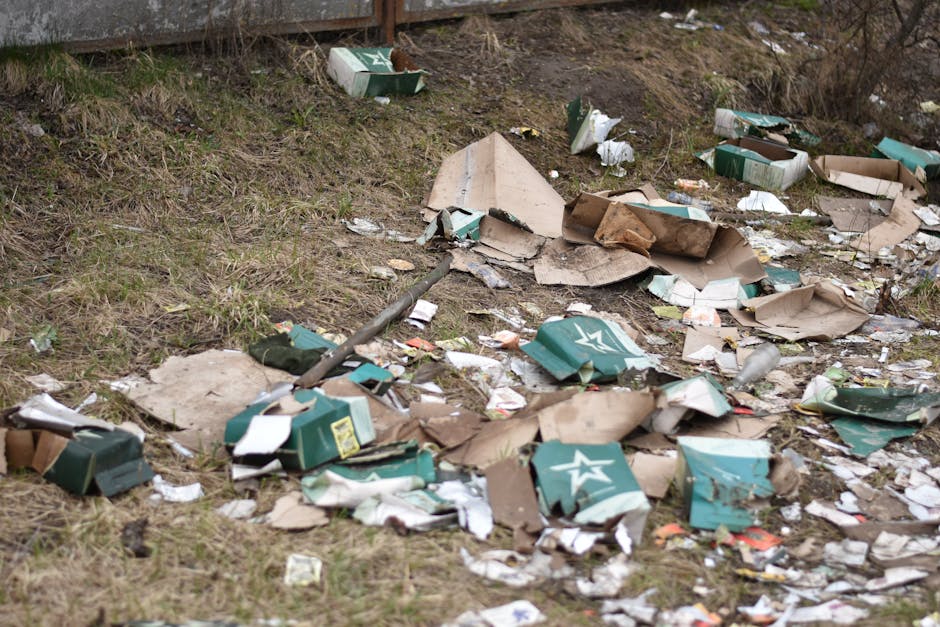
Match days around Stamford Bridge can feel brilliantly alive. The crowd, the noise, the little surge of excitement as people move between entrances, hospitality spaces, pop-up units, and nearby streets. But once the final whistle blows, the rubbish tells its own story: cups, food packaging, event signage, broken boxes, cable ties, napkins, and the odd bulky item that somehow appeared when nobody was looking. For event organisers, Stamford Bridge match day rubbish removal for event organisers is not a tidy-up job at the end. It is part of the event plan itself.
Done well, it keeps your team moving, protects the venue environment, and helps you avoid the sort of post-event scramble that no one wants at 10:45pm on a wet west London evening. Done badly, it creates bottlenecks, complaints, missed collections, and a lot of unnecessary stress. This guide breaks down what the service involves, how to plan it, what to watch out for, and how to make it feel almost effortless. Well, as effortless as match-day waste ever gets.
Why Stamford Bridge match day rubbish removal for event organisers Matters
At a venue like Stamford Bridge, waste management is not just about keeping things visually clean. It affects crowd flow, safety, brand reputation, stewarding efficiency, and how smoothly your suppliers can do their jobs. Match days generate concentrated bursts of waste in short windows, which means a normal cleaning rhythm often isn't enough. You need a plan that matches the pace of the crowd, the size of the activation, and the venue's access constraints.
There is also the public-facing side. Guests notice overflowing bins. Staff notice when waste starts creeping into walkways. Security notices when bags pile up near access points. And local residents, to be fair, notice everything after a busy event. A clean perimeter and a disciplined collection process can prevent small issues from becoming visible problems.
For organisers running hospitality, fan zones, sponsor activations, brand experiences, media set-ups, or catering-led events, rubbish removal becomes part of the service standard. If you are trying to keep a premium feel, it is hard to do that with overflowing recycling sacks in view. Not impossible, but hard.
If your event team is also managing pre-event build and post-event breakdown, it helps to think beyond the match itself. In practice, good waste planning often sits alongside services such as the wider service overview and even related support like builders waste clearance in Fulham when temporary structures, staging, or event fit-outs are involved.
How Stamford Bridge match day rubbish removal for event organisers Works
The process is usually simpler than people expect, but only if the timing is right. Match day waste removal is normally planned around three phases: pre-event setup, live collection during the event, and post-event sweep-up. Each phase has a different waste profile. Before gates open, you may be dealing with packaging, installation waste, cardboard, and catering prep. During the event, the focus shifts to light public waste and steady bin emptying. After the match, it becomes a fast, often slightly chaotic clear-out of mixed rubbish.
Most organisers arrange collections based on the volume and type of waste rather than trying to predict every single bag. That means using a clear method for segregating rubbish, recyclable material, and bulky items. If you have catering or hospitality areas, the waste stream can be more mixed than you'd think. Food waste, glass, cartons, paper cups, and single-use packaging all behave differently once the room fills up and the staff are busy.
In real terms, a solid rubbish removal plan includes:
- set collection points that do not block emergency or operational routes
- bin types matched to the waste likely to be produced
- a schedule for interim collections, not just one end-of-night pickup
- a clear chain of responsibility between organisers, caterers, stewards, and cleaners
- a backup plan for spikes in waste volume, especially after full-time
That last one matters more than most people admit. One unexpectedly busy hospitality zone can create twice the waste you planned for. It happens. Sometimes the bins fill before half-time and everyone suddenly becomes very interested in where the spare sacks are.
Key Benefits and Practical Advantages
The obvious benefit is cleanliness, but the practical gains go much further. When rubbish is removed at the right time, your team can work faster, the venue stays safer, and guests experience fewer interruptions. That is particularly important around Stamford Bridge, where movement is already tight and every extra obstacle feels bigger than it should.
Here is the simple version: good waste removal keeps the event calm. That calm is valuable. It gives stewards clearer sightlines, reduces slip and trip risks, and helps caterers reset service points without stepping over sacks or dodging loose packaging.
Some of the biggest advantages include:
- Better crowd flow: clear walkways make movement easier before and after the match.
- Faster turnaround: post-event breakdown moves quicker when waste is removed in stages.
- Cleaner presentation: premium areas stay looking professional for longer.
- Less stress for staff: teams can focus on guests rather than overflow bins.
- Reduced contamination: separating recycling from general waste is easier when collections are managed properly.
There is also a reputational angle. Organisers who handle waste neatly tend to be remembered as organised, not merely reactive. That sounds small, but on match day it matters. People notice the detail even if they cannot put their finger on it.
Who This Is For and When It Makes Sense
This kind of service is useful for a surprisingly wide group of organisers. It is not just for large-scale stadium operations. If you are managing a branded hospitality area, a sponsor suite, a fan engagement activation, or a private event with significant footfall near Stamford Bridge, rubbish removal becomes part of the event operating model.
It also makes sense when:
- your event includes catering or alcohol service
- you expect heavy packaging waste from installations or deliveries
- the venue or surrounding streets have restricted storage space
- you need a fast reset between sessions or across multiple match-day moments
- your staff are already stretched across crowd control, guest service, and logistics
For some organisers, the need is obvious. For others, it only becomes obvious after one difficult event. A late collection, a missed sack, a blocked service corridor - that sort of thing can turn a decent operation into a messy one. If you know the event will be busy, it is usually worth planning waste removal as early as possible.
This can be especially relevant for organisers working around busy west London schedules and local access patterns. If you are already thinking about area-specific planning, it may help to read more broadly about local context in this Fulham neighbourhood guide or the more practical local advice for living in Fulham.
Step-by-Step Guidance
A sensible waste plan does not need to be complicated. It just needs to be thought through. Here is a straightforward way to approach Stamford Bridge match day rubbish removal without overengineering it.
- Estimate the waste profile. Think about crowd size, catering, merchandising, packaging, and any temporary build materials. Don't guess too casually; walk the event backwards from what people will actually consume and discard.
- Map the waste points. Identify where bins, sacks, cages, and collection points will sit. Keep them accessible but not intrusive.
- Decide what needs separating. General waste, recycling, food waste, cardboard, and bulky waste should not all end up in the same pile if you can help it.
- Set collection windows. Plan at least one pre-event movement, one during-event check, and one rapid post-event sweep.
- Brief your team. Make sure stewards, cleaners, caterers, and suppliers know who moves what, when, and where it goes.
- Build in a buffer. Events rarely stay perfectly on script. Leave room for a surge after halftime, a delayed finish, or a last-minute change in access.
- Review after the event. Ask what overflowed, what was underused, and where collections slowed down.
That last step is underrated. A five-minute debrief can save you from repeating the same issue next time. And next time, because there is always a next time.
If you need a clearer view of service choices as you plan, the rubbish clearance in Fulham and rubbish collection in Fulham pages are useful reference points for understanding the practical options available.
Expert Tips for Better Results
Small adjustments make a big difference on match day. A good waste plan is often less about a huge intervention and more about doing ordinary things properly, in the right order.
- Position bins where people naturally pause. If you hide them, people will use the nearest visible surface instead. It happens fast.
- Keep recycling clearly labelled. Confusing bin labels lead to contamination, and contamination tends to snowball when the venue gets busy.
- Use lighter, more frequent collections. One huge pickup at the end of the night is risky if access becomes congested or delayed.
- Protect loading routes. An unblocked access route is worth its weight in gold when crowds start thinning out.
- Coordinate with catering teams early. Food and drink waste is usually the fastest-growing category.
A slightly less glamorous tip: assign someone to check bin liners before the event starts. A loose liner and an overfilled sack can ruin a whole collection point. Not dramatic, just annoying - which, on a busy day, is almost worse.
Another useful habit is to keep a simple waste log. Nothing fancy. Just a note of what filled first, what stayed empty, and where the bottlenecks were. That tiny record becomes much more valuable than people expect.
Common Mistakes to Avoid
Most waste problems on event day come from a few predictable mistakes. The good news is that they are all avoidable if you spot them early enough.
1. Treating waste as an afterthought. When rubbish removal is left until the end, it usually becomes expensive in time, labour, or both.
2. Underestimating hospitality waste. Food service, drinks service, and packaging can generate far more volume than a standard event estimate would suggest.
3. Placing bins in the wrong location. If access is awkward, people stop using them properly.
4. Mixing waste streams. Once recyclable and general waste are combined, recovery options become much more limited.
5. Forgetting the post-match rush. The last 20 to 30 minutes can be the messiest part of the day. It is easy to forget that while the game is still on.
6. Not checking access timing. If your collection team arrives when loading areas are blocked, everyone loses time. A small delay can turn into a bigger one surprisingly quickly.
The common thread here is planning. The actual removal is usually straightforward. It is the gaps in planning that cause trouble.
Tools, Resources and Recommendations
You do not need a huge toolkit, but you do need the right basics. For Stamford Bridge match day rubbish removal, the most useful resources are often operational rather than technical.
- Clear waste labels: helps stewards and guests use the right bin.
- Bin liners and sacks: keep them in reserve, not just on the day's starting count.
- Mobile trolleys or carts: useful for moving lighter waste to collection points.
- Gloves and handling gear: basic but essential for safe collection and transfer.
- Waste maps: a simple printed layout showing collection points and routes.
- Event brief sheets: one page can save a lot of confusion later.
From a service point of view, it can also help to understand the broader type of removal you may need. A match-day operation may overlap with junk removal in Fulham if there are mixed items to clear, or with office clearance support if you are stripping out temporary workspaces, briefing rooms, or event admin areas.
And if sustainability is part of the brief, keep an eye on the balance between general waste and recoverable materials. A little discipline here goes a long way. You can also review the company's approach to recycling and sustainability if you want waste handling to align with greener event goals.
Law, Compliance, Standards, or Best Practice
Waste handling at events should always be approached carefully. In the UK, organisers are expected to manage waste responsibly, use licensed carriers where required, and avoid causing hazards through poor storage or disposal. The exact requirements can vary depending on the site, the event setup, the nature of the waste, and local arrangements, so it is wise to verify details for your specific operation rather than assuming a one-size-fits-all process.
Best practice usually includes:
- keeping waste stored safely and securely before collection
- separating recyclable materials where feasible
- avoiding blocked fire exits, access ways, and emergency routes
- using safe manual handling methods for bags and bulky items
- keeping records of what was removed and by whom
Insurance and safety also deserve attention, especially where teams are lifting, stacking, or moving waste in crowded areas. If your operation involves contractors, stewards, or temporary staff, it helps to have everyone aligned on risk procedures. For a practical overview, the site's insurance and safety information is worth reviewing before the event cycle begins.
You should also make sure your own event processes reflect reasonable accessibility and customer care. Not every route or collection point is ideal for every guest or crew member. A little forethought prevents awkwardness later.
Options, Methods, or Comparison Table
There is more than one way to handle match day rubbish. The right choice depends on volume, access, timing, and how much of the job you want your internal team to manage.
| Method | Best for | Pros | Trade-offs |
|---|---|---|---|
| In-house crew only | Small activations with modest waste | Simple, familiar, flexible | Can overload staff and slow breakdown |
| Planned staged collections | Mid-size hospitality or fan zones | Reduces build-up and keeps areas tidy | Needs coordination and clear timings |
| Dedicated external clearance support | High-volume or complex match-day operations | Efficient, scalable, less pressure on staff | Requires early planning and site access control |
| Mixed approach | Events with varying waste across the day | Balanced cost and control | Needs good communication to avoid overlap |
For many organisers, the mixed approach is the sweet spot. Your internal team handles the routine bits, while a dedicated collection plan takes care of the heavy lifting before things get out of hand. Sensible, really.
Case Study or Real-World Example
Imagine a hospitality-led match day with a temporary reception area, branded tables, buffet service, and a small merchandise display. The event team starts the morning with everything spotless. By early afternoon, cardboard from deliveries is stacked neatly, but the food prep area is already producing bags, film wrap, and catering waste. Midway through the build, someone notices the nearest bin is full. Then another. By kick-off, the collection point is looking busy, and by half-time the pile has grown enough to distract from the overall finish.
Now compare that with a better-planned version. The organiser sets up three waste points, each with a clear purpose. One handles packaging during setup. Another serves the hospitality space. The third is reserved for the post-event final sweep. A collection is made before the crowd reaches peak volume, which means the team never has to improvise. After the final whistle, the last bags are moved quickly, the route stays clear, and the area resets without fuss.
That second version is not glamorous. But it works. And on a match day, working matters more than looking clever.
We have seen similar planning discipline help with other local clearouts too, including fast clearouts in Fulham Broadway and garden waste and composting pickups in Parsons Green, where timing and access made all the difference. Different setting, same principle: plan the movement of waste before waste starts moving itself.
Practical Checklist
Use this checklist before match day. It is the kind of thing that feels a bit basic until you realise how useful it is.
- Confirm the expected waste volume and type.
- Map every waste and collection point on site.
- Label bins and sacks clearly.
- Brief catering, stewarding, and cleaning staff.
- Set at least one mid-event collection review.
- Keep emergency and service routes clear.
- Prepare spare liners, sacks, and handling gear.
- Separate recyclable material where possible.
- Check access times for loading and removal.
- Confirm the final sweep window after the event ends.
- Record issues for the next event plan.
Quick takeaway: if the event has food, packaging, crowd movement, and tight access, you need a removal plan rather than a one-off tidy-up. That is the difference between staying on top of the day and chasing it all evening.
For organisers comparing support options and payment processes, the site's pricing and quotes page and payment and security information can help you evaluate the admin side without guesswork.
Conclusion
Stamford Bridge match day rubbish removal for event organisers is really about control. Control over timing, control over presentation, control over safety, and control over how smoothly the day ends. When waste is handled properly, the whole event feels more considered. Guests notice the calm. Staff feel the difference. And you avoid the messy end-of-day rush that can drain energy from everyone involved.
The best plans are the ones that fit the event rather than forcing the event to fit the plan. Start with the waste you expect, build in a little flexibility, and keep the collections moving. That approach is practical, economical, and far less stressful than trying to fix everything after the crowd has already headed home.
Get a free quote today and see how much you can save.
If you are ready to organise a smoother match-day clear-up, you can also review the broader about us page to understand the team's approach before you make your next booking. Small details, handled early, tend to make the biggest difference.



 Tipper Van - Rubbish Removal and Garden Waste Removal Prices in Fulham, SW6
 Luton Van - Rubbish Removal and Garden Waste Removal Prices in Fulham, SW6





